Anxiety Archives - My Blog

Anxiety attack

Anxiety is a typical response to risk, the body’s automatic fight-or-flight response that is set off when you feel threatened, under tension, or are confronting what is happening. An anxiety attack happens when stressors or fears develop after some time. A relationship struggle or an over-burden work plan, for instance, could slowly expand your uneasiness until you feel totally wrecked for a period. For the term of a mental episode, you could encounter side effects like an absence of concentration, pressure, or irritability. You could likewise feel both fretful and immediately exhausted. During a anxiety attack, people frequently experience serious anxiety that can feel overpowering and crazy. Actual side effects of this anxiety incorporate a quick heartbeat, perspiring, shaking, windedness, tipsiness, and chest torment. These side effects are joined by close to home trouble and uplifted sensations of anxiety, for example, apprehension about letting completely go or a feeling of illusion. The triggers for a anxiety attack can shift generally, from unpleasant circumstances to explicit fears or basic psychological wellness conditions. The administration of a panic attack includes methods to lessen anxiety, for example, profound breathing activities, care rehearses, and, if necessary, treatment or prescription to address the underlying drivers of anxiety. Mental breakdowns, otherwise called fits of anxiety, are extraordinary episodes of unexpected and overpowering apprehension or uneasiness. They frequently top in practically no time and can incorporate physical and close to home side effects. Normal key highlights of a mental episode include: – Extraordinary Fear: An unexpected, serious sensation of fear or looming destruction.– Actual Symptoms: These can incorporate a quick heartbeat, perspiring, shaking, windedness, wooziness, and chest torment.– Close to home Distress: Sensations of falsity, separation from oneself, or apprehension about letting completely go.– Duration: Side effects ordinarily keep going for a couple of moments, however they can feel significantly longer to those encountering them. Triggers for mental episodes can change generally, from unpleasant circumstances to explicit fears. Overseeing and lessening mental episodes frequently includes techniques like profound breathing activities, care, and, at times, treatment or drug. Significant for people experience regular mental breakdowns to talk with a medical services proficient for customized therapy and backing.
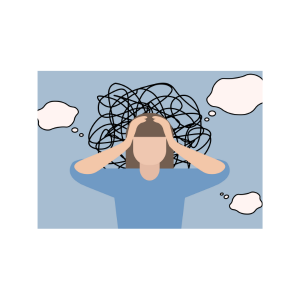
Coping with anxiety:

Nervousness can be overpowering, however there are compelling systems to assist with overseeing it. Here are a few viable tips to adapt to nervousness: 1. **Practice Profound Breathing**: Take part in profound, slow breathing activities to quiet your sensory system. Have a go at breathing in for four counts, holding for four counts, and breathing out for four counts. 2. **Stay Active**: Standard actual work can lessen tension levels. 3. **Connect with Others**: Contact companions, family, or care groups. Discussing your sentiments can give help and point of view. 4. **Challenge Negative Thoughts**: Distinguish and address silly or pointless contemplations. Supplant them with additional fair and sensible ones. 5. **Set Little Goals**: Break undertakings into more modest, sensible advances. This can cause them to feel less overpowering and provide you with a feeling of achievement. 6. **Establish a Routine**: A steady everyday schedule can give structure and lessen sensations of disarray or vulnerability. 7. **Practice Mindfulness**: Take part in care or contemplation activities to remain grounded and centered right now. 8. **Limit Caffeine and Alcohol**: The two substances can increment nervousness or obstruct your rest, so attempt to diminish their admission. 9. **Seek Proficient Help**: On the off chance that nervousness is slowing down your everyday existence, think about conversing with an emotional well-being proficient. Treatment and, at times, prescription can be exceptionally successful. 10. **Prioritize Self-Care**: Guarantee you’re dealing with your fundamental requirements — sufficient rest, nutritious food, and unwinding. Taking care of oneself can reinforce your flexibility against stress. Keep in mind, overseeing nervousness is a cycle, and what works best might change from one individual to another. Show restraint toward yourself and continue to attempt various procedures to find what helps you most.

Depression

depressive disorder: Understanding Depression: Depression is more than just feeling sad or down; it’s a profound mental health condition that affects millions of people worldwide. It can manifest in various ways, including persistent feelings of sadness, hopelessness, and worthlessness. Individuals may experience a loss of interest in activities they once enjoyed, changes in appetite or sleep patterns, and difficulties concentrating. The causes of depression are complex and can include a combination of genetic, biological, environmental, and psychological factors. Stressful life events, trauma, and a lack of social support can also contribute to the development of depression. Importantly, depression is not a sign of personal failure or weakness; rather, it is a serious medical condition that requires understanding and treatment. Treatment for depression often involves a combination of therapy, medication, and lifestyle changes. Cognitive-behavioral therapy (CBT) and other forms of counseling can help individuals identify and change negative thought patterns. Medications such as antidepressants may help regulate mood. Additionally, fostering a supportive environment, engaging in regular physical activity, and practicing self-care can be beneficial. If you or someone you know is struggling with depression, it’s crucial to seek professional help. Talking to a mental health professional can provide guidance and support tailored to individual needs. Remember, reaching out for help is a courageous and important step toward recovery. It’s also vital to offer compassion and understanding to those affected by depression. Empathy and support from friends, family, and the community play a crucial role in the healing process. Depression is a challenging journey, but with appropriate care and support, recovery is possible. Feel free to adjust or expand upon this note based on your needs.

Anxiety Disorder Symptoms

Adolescence

anxiety disorder symptoms Social anxiety is a pervasive mental health condition that affects millions of people worldwide. It is characterized by an intense and persistent fear of social situations where one might be judged or scrutinized by others. This fear can be so overwhelming that it interferes with daily activities, work, and relationships. Recognizing and understanding social anxiety is crucial for effective management and treatment. It typically manifests as a fear of being negatively evaluated or embarrassed in social situations. This fear is not just a fleeting feeling of shyness but a deep-seated anxiety that can cause significant distress. People with social anxiety often worry excessively about how they are perceived by others, leading to avoidance of social interactions or severe discomfort when they cannot avoid them. One of the hallmarks of social anxiety is the physical symptoms that accompany the psychological distress. These can include blushing, sweating, trembling, and an increased heart rate. For individuals with social anxiety, even everyday social interactions can become daunting. The physical reactions can be so pronounced that they may further exacerbate the fear of negative evaluation, creating a vicious cycle of anxiety and avoidance. It can have a profound impact on various aspects of life. It can affect one’s ability to perform at work or school, as social situations often involve interactions that are unavoidable. For instance, an individual with social anxiety might struggle with speaking in meetings, participating in group discussions, or even engaging in casual conversations with colleagues. The avoidance of these situations, driven by the fear of judgment, can lead to missed opportunities and diminished career or academic prospects. Moreover, social anxiety can strain personal relationships. Friends and family may not always understand the extent of the fear experienced, which can lead to misunderstandings or frustration. Individuals with social anxiety may withdraw from social gatherings, avoid making new friends, or struggle with maintaining existing relationships. This isolation can further exacerbate feelings of loneliness and affect overall mental well-being. Understanding the symptoms of social anxiety is crucial for seeking appropriate help. These symptoms can vary from person to person but commonly include intense fear of embarrassment, excessive worry about social interactions, and avoidance of situations where one might be observed or judged. Additionally, cognitive symptoms such as persistent negative thoughts about oneself and one’s performance in social settings are also prevalent in social anxiety. Effective treatment for this often involves a combination of therapy, medication, and self-help strategies. Cognitive Behavioral Therapy (CBT) is a well-established approach that helps individuals challenge and reframe negative thought patterns related to social situations. Through CBT, individuals with social anxiety can learn to manage their fears and gradually become more comfortable in social settings. Medication can also be a part of the treatment plan for social anxiety. Selective serotonin reuptake inhibitors (SSRIs) and other antidepressants have been shown to be effective in reducing symptoms of social anxiety. These medications work by balancing chemicals in the brain that affect mood and anxiety levels. It is important for individuals to work closely with a healthcare provider to determine the most appropriate medication and dosage. In addition to professional treatment, self-help strategies can also play a significant role in managing social anxiety. Techniques such as mindfulness, relaxation exercises, and gradual exposure to feared social situations can help individuals build confidence and reduce anxiety over time. Engaging in regular physical exercise, maintaining a healthy lifestyle, and practicing self-compassion can further support overall mental health and well-being. For those dealing with social anxiety, it is important to recognize that seeking help is a sign of strength, not weakness. Social anxiety is a common and treatable condition, and various resources are available to assist individuals in managing their symptoms. Support groups, counseling services, and mental health professionals can provide valuable guidance and encouragement throughout the recovery process. In conclusion, social anxiety is a significant mental health condition characterized by intense fear and avoidance of social situations due to the fear of negative evaluation. It affects many aspects of daily life, including work, relationships, and overall well-being. Understanding the symptoms and impact of social anxiety is essential for seeking effective treatment and support. With the right combination of therapy, medication, and self-help strategies, individuals with social anxiety can achieve significant improvements in their quality of life and regain a sense of control over their social interactions.