admin, Author at My Blog - Page 2 of 2

Cognitive development:

Presentation:Mental brain research is a part of brain science that investigates inside mental cycles, for example, discernment, memory, thinking, critical thinking, and direction. It centers around understanding how individuals get, cycle, store, and recover data. Definition: The method involved with deciphering tangible data to get a handle on the climate.Key Viewpoints: Includes sensation (getting upgrades) and insight (deciphering boosts). Research investigates how we perceive objects, grasp spatial connections, and see profundity and movement.Memory: Kinds of Memory: Incorporates present moment (working) memory and long haul memory.Processes: Encoding (how data is put away), capacity (keeping up with data), and recovery (getting to data). Mental brain science explores systems for further developing memory, like mental helpers and practice methods.Consideration: Concentration and Focus: The capacity to specifically focus on unambiguous data while overlooking different upgrades.Models: Incorporates hypotheses, for example, the restricted limit model and the specific consideration model, which depict how consideration is coordinated and kept up with.Language: Handling: Analyzes how individuals figure out, produce, and obtain language.Parts: Incorporates punctuation (sentence structure), semantics (importance), and pragmatics (logical use). Mental brain research investigates language improvement, understanding, and creation.Critical thinking and Thinking: Critical thinking: The method involved with tracking down answers for complex issues. Research investigates methodologies, heuristics (mental alternate ways), and snags.Thinking: The most common way of reaching determinations or going with choices in light of data. Incorporates insightful thinking (from general to explicit) and inductive thinking (from well defined for general).Navigation: Process: Includes assessing choices and simply deciding. Mental brain science analyzes inclinations, heuristics, and the effect of feelings on navigation.

Psychosocial development:

Psychosocial development refers to the growth and changes in a person’s psychological and social functioning across their lifespan. It encompasses how individuals understand themselves and relate to others in the context of their social environment. Erik Erikson’s theory is one of the most well-known frameworks for understanding psychosocial development. Stage 1: Trust vs. Mistrust The first stage of Erikson’s theory of psychosocial development occurs between birth and 1 year of age and is the most fundamental stage in life. Because an infant is utterly dependent, developing trust is based on the dependability and quality of the child’s caregivers. At this point in development, the child is utterly dependent upon adult caregivers for everything they need to survive including food, love, warmth, safety, and nurturing. If a caregiver fails to provide adequate care and love, the child will come to feel that they cannot trust or depend upon the adults in their life. Stage 2: Autonomy vs. Shame and Doubt The second stage of Erikson’s theory of psychosocial development takes place during early childhood and is focused on children developing a greater sense of personal control. The Role of Independence At this point in development, children are just starting to gain a little independence. They are starting to perform basic actions on their own and making simple decisions about what they prefer. By allowing kids to make choices and gain control, parents and caregivers can help children develop a sense of autonomy Toilet Training: Like Freud, Erikson believed that toilet training was a vital part of this process. However, Erikson’s reasoning was quite different than that of Freud’s. Erikson believed that learning to control one’s bodily functions leads to a feeling of control and a sense of independence. Other important events include gaining more control over food choices, toy preferences, and clothing selection Stage 3: Initiative vs. Guilt The third stage of psychosocial development takes place during the preschool years. At this point in psychosocial development, children begin to assert their power and control over the world .Those who fail to acquire these skills are left with a sense of guilt, self-doubt, and lack of initiative. Stage 4: Industry vs. Inferiority The fourth psychosocial stage takes place during the early school years from approximately ages 5 to 11. Through social interactions, children begin to develop a sense of pride in their accomplishments and abilities. Children need to cope with new social and academic demands. Success leads to a sense of competence, while failure results in feelings of inferiority. Stage 5: Identity vs. Confusion This stage plays an essential role in developing a sense of personal identity which will continue to influence behavior and development for the rest of a person’s life. Teens need to develop a sense of self and personal identity. During adolescence, children explore their independence and develop a sense of self. Those who receive proper encouragement and reinforcement through personal exploration will emerge from this stage with a strong sense of self and feelings of independence and control. Those who remain unsure of their beliefs and desires will feel insecure and confused about themselves and the future. What Is Identity? Erikson believed that each stage of psychosocial development was important, he placed a particular emphasis on the development of ego identity. Ego identity is the conscious sense of self that we develop through social interaction and becomes a central focus during the identity versus confusion stage of psychosocial development. According to Erikson, our ego identity constantly changes due to new experiences and information we acquire in our daily interactions with others. Stage 6: Intimacy vs. Isolation Young adults need to form intimate, loving relationships with other people. Success leads to strong relationships, while failure results in loneliness and isolation. This stage covers the period of early adulthood when people are exploring personal relationships.2 Erikson believed it was vital that people develop close, committed relationships with other people. Those who are successful at this step will form relationships that are enduring and secure. Studies have demonstrated that those with a poor sense of self tend to have less committed relationships and are more likely to struggler with emotional isolation, loneliness, and depression. Stage 8: Integrity vs. Despair The final psychosocial stage occurs during old age and is focused on reflecting back on life. At this point in development, people look back on the events of their lives and determine if they are happy with the life that they lived or if they regret the things they did or didn’t do. Erikson’s theory differed from many others because it addressed development throughout the entire lifespan, including old age. Older adults need to look back on life and feel a sense of fulfillment. Success at this stage leads to feelings of wisdom, while failure results in regret, bitterness, and despair. At this stage, people reflect back on the events of their lives and take stock. Those who look back on a life they feel was well-lived will feel satisfied and ready to face the end of their lives with a sense of peace. Those who look back and only feel regret will instead feel fearful that their lives will end without accomplishing the things they feel they should have.​

Learning theories:

Hypotheses of learning offer alternate points of view on how individuals obtain, process, and hold information and abilities. Here is an outline of a portion of the significant speculations: Behaviorism: Key Figures: John B. Watson, B.F. Skinner.Center Thought: Learning is an adjustment of detectable conduct brought about by outer boosts. It underlines the job of support and discipline in shaping way of behaving.Standards: Traditional molding (connecting a compulsory reaction with an improvement) and operant molding (utilizing prizes and disciplines to impact conduct).Cognitivism: Key Figures: Jean Piaget, Jerome Bruner.Center Thought: Learning includes changes in mental cycles like reasoning, understanding, and memory. It centers around how individuals see, think, and tackle issues.Standards: Underlines inside processes like outline advancement (Piaget), mental improvement stages, and critical thinking techniques.Constructivism: Key Figures: Lev Vygotsky, Jean Piaget.Center Thought: Students effectively develop their own comprehension and information on the world through encounters and reflection. Learning is viewed as a course of getting a handle on encounters.Standards: Underscores the job of social associations (Vygotsky’s social constructivism) and the significance of setting in learning.Social Learning Hypothesis: Key Figures: Albert Bandura.Center Thought: Learning happens through perception, impersonation, and demonstrating. It consolidates mental, social, and natural impacts.Standards: The idea of observational getting the hang of (advancing by watching others), the job of consideration, maintenance, generation, and inspiration.

Importance Of Educational Psychology:

Instructive brain science is an essential field that overcomes any barrier among brain science and training, zeroing in on understanding how individuals learn and foster in instructive settings. Its significance lies in a few key regions: 1. **Enhancing Learning and Teaching:** Instructive brain science gives experiences into how understudies learn best, permitting instructors to plan compelling showing procedures and learning conditions. By applying standards from mental, formative, and social brain research, teachers can fit their ways to deal with meet different advancing necessities and further develop understudy commitment and appreciation. 2. **Supporting Understudy Development:** Understanding the formative phases of kids and young people assists teachers with tending to the mental and profound necessities of understudies. Instructive brain research offers systems for encouraging social-profound abilities, versatility, and inspiration, adding to by and large prosperity and scholarly achievement. 3. **Addressing Learning Challenges:** Instructive therapists are instrumental in distinguishing and supporting understudies with learning handicaps, consideration problems, and different difficulties. They help in making individualized training plans (IEPs) and suggesting mediations that can have a huge effect in understudy results. 4. **Improving Appraisal and Evaluation:** Instructive brain research illuminates the plan and execution regarding evaluations, guaranteeing they are fair, solid, and substantial. It assists teachers with understanding how to utilize appraisal information really to direct guidance and backing understudy progress. 5. **Promoting Comprehensive Education:** By understanding the different necessities of understudies from different foundations, instructive brain science upholds the advancement of comprehensive practices that guarantee all understudies have equivalent chances to succeed. It advocates for variations and facilities that regard and address social, semantic, and individual contrasts. 6. **Facilitating Proficient Development:** Instructive clinicians work with educators to improve their expert abilities, giving preparation on homeroom the executives, successful showing techniques, and methodologies for cultivating a positive learning climate. This continuous expert advancement is fundamental for keeping up with high showing norms and working on instructive results. In rundown, instructive brain research is imperative for making viable and strong instructive encounters. It outfits teachers with the information and devices expected to address assorted advancing requirements, advance understudy prosperity, and improve the general nature of schooling.

Anxiety attack

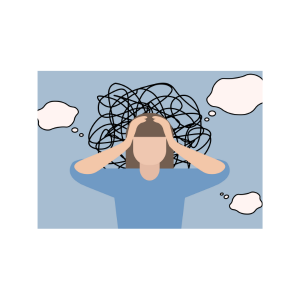
Anxiety is a typical response to risk, the body’s automatic fight-or-flight response that is set off when you feel threatened, under tension, or are confronting what is happening. An anxiety attack happens when stressors or fears develop after some time. A relationship struggle or an over-burden work plan, for instance, could slowly expand your uneasiness until you feel totally wrecked for a period. For the term of a mental episode, you could encounter side effects like an absence of concentration, pressure, or irritability. You could likewise feel both fretful and immediately exhausted. During a anxiety attack, people frequently experience serious anxiety that can feel overpowering and crazy. Actual side effects of this anxiety incorporate a quick heartbeat, perspiring, shaking, windedness, tipsiness, and chest torment. These side effects are joined by close to home trouble and uplifted sensations of anxiety, for example, apprehension about letting completely go or a feeling of illusion. The triggers for a anxiety attack can shift generally, from unpleasant circumstances to explicit fears or basic psychological wellness conditions. The administration of a panic attack includes methods to lessen anxiety, for example, profound breathing activities, care rehearses, and, if necessary, treatment or prescription to address the underlying drivers of anxiety. Mental breakdowns, otherwise called fits of anxiety, are extraordinary episodes of unexpected and overpowering apprehension or uneasiness. They frequently top in practically no time and can incorporate physical and close to home side effects. Normal key highlights of a mental episode include: – Extraordinary Fear: An unexpected, serious sensation of fear or looming destruction.– Actual Symptoms: These can incorporate a quick heartbeat, perspiring, shaking, windedness, wooziness, and chest torment.– Close to home Distress: Sensations of falsity, separation from oneself, or apprehension about letting completely go.– Duration: Side effects ordinarily keep going for a couple of moments, however they can feel significantly longer to those encountering them. Triggers for mental episodes can change generally, from unpleasant circumstances to explicit fears. Overseeing and lessening mental episodes frequently includes techniques like profound breathing activities, care, and, at times, treatment or drug. Significant for people experience regular mental breakdowns to talk with a medical services proficient for customized therapy and backing.

Coping with anxiety:

Nervousness can be overpowering, however there are compelling systems to assist with overseeing it. Here are a few viable tips to adapt to nervousness: 1. **Practice Profound Breathing**: Take part in profound, slow breathing activities to quiet your sensory system. Have a go at breathing in for four counts, holding for four counts, and breathing out for four counts. 2. **Stay Active**: Standard actual work can lessen tension levels. 3. **Connect with Others**: Contact companions, family, or care groups. Discussing your sentiments can give help and point of view. 4. **Challenge Negative Thoughts**: Distinguish and address silly or pointless contemplations. Supplant them with additional fair and sensible ones. 5. **Set Little Goals**: Break undertakings into more modest, sensible advances. This can cause them to feel less overpowering and provide you with a feeling of achievement. 6. **Establish a Routine**: A steady everyday schedule can give structure and lessen sensations of disarray or vulnerability. 7. **Practice Mindfulness**: Take part in care or contemplation activities to remain grounded and centered right now. 8. **Limit Caffeine and Alcohol**: The two substances can increment nervousness or obstruct your rest, so attempt to diminish their admission. 9. **Seek Proficient Help**: On the off chance that nervousness is slowing down your everyday existence, think about conversing with an emotional well-being proficient. Treatment and, at times, prescription can be exceptionally successful. 10. **Prioritize Self-Care**: Guarantee you’re dealing with your fundamental requirements — sufficient rest, nutritious food, and unwinding. Taking care of oneself can reinforce your flexibility against stress. Keep in mind, overseeing nervousness is a cycle, and what works best might change from one individual to another. Show restraint toward yourself and continue to attempt various procedures to find what helps you most.

Depression

depressive disorder: Understanding Depression: Depression is more than just feeling sad or down; it’s a profound mental health condition that affects millions of people worldwide. It can manifest in various ways, including persistent feelings of sadness, hopelessness, and worthlessness. Individuals may experience a loss of interest in activities they once enjoyed, changes in appetite or sleep patterns, and difficulties concentrating. The causes of depression are complex and can include a combination of genetic, biological, environmental, and psychological factors. Stressful life events, trauma, and a lack of social support can also contribute to the development of depression. Importantly, depression is not a sign of personal failure or weakness; rather, it is a serious medical condition that requires understanding and treatment. Treatment for depression often involves a combination of therapy, medication, and lifestyle changes. Cognitive-behavioral therapy (CBT) and other forms of counseling can help individuals identify and change negative thought patterns. Medications such as antidepressants may help regulate mood. Additionally, fostering a supportive environment, engaging in regular physical activity, and practicing self-care can be beneficial. If you or someone you know is struggling with depression, it’s crucial to seek professional help. Talking to a mental health professional can provide guidance and support tailored to individual needs. Remember, reaching out for help is a courageous and important step toward recovery. It’s also vital to offer compassion and understanding to those affected by depression. Empathy and support from friends, family, and the community play a crucial role in the healing process. Depression is a challenging journey, but with appropriate care and support, recovery is possible. Feel free to adjust or expand upon this note based on your needs.

Anxiety Symptoms

Adolescence

1. Actual Symptoms:**– **Expanded Heart Rate:** Fast heartbeat or palpitations.– **Sweating:** Unnecessary sweat, frequently irrelevant to active work.– **Shaking or Trembling:** Compulsory shaking of the hands, legs, or different body pieces.– **Brevity of Breath:** Trouble breathing or feeling like you can’t get sufficient air.– **Muscle Tension:** Snugness or touchiness in muscles, especially in the neck, shoulders, or jaw.– **Wooziness or Lightheadedness:** Feeling weak or unstable.– **Nausea:** Feeling squeamish or having a surprise stomach. **2. Mental Symptoms:**– **Unreasonable Worry:** Tenacious and unbalanced stress over regular occasions or circumstances.– **Trouble Concentrating:** Inconvenience zeroing in on undertakings or deciding.– **Hustling Thoughts:** Fast, frequently disconnected considerations that are difficult to control.– **Apprehension about Losing Control:** Feeling like you could fail to keep a grip on yourself or your environmental elements. **3. Social Symptoms:**– **Avoidance:** Avoiding circumstances or spots that incite tension.– **Restlessness:** Powerlessness to stand by or feel tense.– **Habitual Behaviors:** More than once playing out specific activities to reduce uneasiness (e.g., looking at locks, counting). **4. Close to home Symptoms:**– **Irritability:** Expanded disappointment or emotional episodes.– **Feeling Overwhelmed:** Extraordinary sensations of being overpowered or unfit to deal with pressure. **5. Rest Disturbances:**– **Insomnia:** Trouble nodding off or staying unconscious.– **Nightmares:** Upsetting dreams that disturb rest. **6. Social Symptoms:**– **Isolation:** Staying away from social connections or pulling out from connections.– **Execution Anxiety:** Outrageous apprehension about friendly or execution circumstances. Notes:– Side effects can differ in power and may influence every day working.– Tension can be situational or constant, and its seriousness might vary.– Assuming side effects are serious or meddle essentially with day-to-day existence, it is prescribed to look for proficient assistance. —

Anxiety Disorder Symptoms

Adolescence

anxiety disorder symptoms Social anxiety is a pervasive mental health condition that affects millions of people worldwide. It is characterized by an intense and persistent fear of social situations where one might be judged or scrutinized by others. This fear can be so overwhelming that it interferes with daily activities, work, and relationships. Recognizing and understanding social anxiety is crucial for effective management and treatment. It typically manifests as a fear of being negatively evaluated or embarrassed in social situations. This fear is not just a fleeting feeling of shyness but a deep-seated anxiety that can cause significant distress. People with social anxiety often worry excessively about how they are perceived by others, leading to avoidance of social interactions or severe discomfort when they cannot avoid them. One of the hallmarks of social anxiety is the physical symptoms that accompany the psychological distress. These can include blushing, sweating, trembling, and an increased heart rate. For individuals with social anxiety, even everyday social interactions can become daunting. The physical reactions can be so pronounced that they may further exacerbate the fear of negative evaluation, creating a vicious cycle of anxiety and avoidance. It can have a profound impact on various aspects of life. It can affect one’s ability to perform at work or school, as social situations often involve interactions that are unavoidable. For instance, an individual with social anxiety might struggle with speaking in meetings, participating in group discussions, or even engaging in casual conversations with colleagues. The avoidance of these situations, driven by the fear of judgment, can lead to missed opportunities and diminished career or academic prospects. Moreover, social anxiety can strain personal relationships. Friends and family may not always understand the extent of the fear experienced, which can lead to misunderstandings or frustration. Individuals with social anxiety may withdraw from social gatherings, avoid making new friends, or struggle with maintaining existing relationships. This isolation can further exacerbate feelings of loneliness and affect overall mental well-being. Understanding the symptoms of social anxiety is crucial for seeking appropriate help. These symptoms can vary from person to person but commonly include intense fear of embarrassment, excessive worry about social interactions, and avoidance of situations where one might be observed or judged. Additionally, cognitive symptoms such as persistent negative thoughts about oneself and one’s performance in social settings are also prevalent in social anxiety. Effective treatment for this often involves a combination of therapy, medication, and self-help strategies. Cognitive Behavioral Therapy (CBT) is a well-established approach that helps individuals challenge and reframe negative thought patterns related to social situations. Through CBT, individuals with social anxiety can learn to manage their fears and gradually become more comfortable in social settings. Medication can also be a part of the treatment plan for social anxiety. Selective serotonin reuptake inhibitors (SSRIs) and other antidepressants have been shown to be effective in reducing symptoms of social anxiety. These medications work by balancing chemicals in the brain that affect mood and anxiety levels. It is important for individuals to work closely with a healthcare provider to determine the most appropriate medication and dosage. In addition to professional treatment, self-help strategies can also play a significant role in managing social anxiety. Techniques such as mindfulness, relaxation exercises, and gradual exposure to feared social situations can help individuals build confidence and reduce anxiety over time. Engaging in regular physical exercise, maintaining a healthy lifestyle, and practicing self-compassion can further support overall mental health and well-being. For those dealing with social anxiety, it is important to recognize that seeking help is a sign of strength, not weakness. Social anxiety is a common and treatable condition, and various resources are available to assist individuals in managing their symptoms. Support groups, counseling services, and mental health professionals can provide valuable guidance and encouragement throughout the recovery process. In conclusion, social anxiety is a significant mental health condition characterized by intense fear and avoidance of social situations due to the fear of negative evaluation. It affects many aspects of daily life, including work, relationships, and overall well-being. Understanding the symptoms and impact of social anxiety is essential for seeking effective treatment and support. With the right combination of therapy, medication, and self-help strategies, individuals with social anxiety can achieve significant improvements in their quality of life and regain a sense of control over their social interactions.

Isolation

Isolation is a state of being separated . This is a defence mechanism against threats.It often evokes feelings of loneliness and detachment, or someone seeking solitude for personal growth. It can happen in different structures — in some cases an individual feels separated in spite of being encircled by others; and actual confinement, which includes being separated from everyone else in an actual space. Influence on Mental Health Isolation can significantly influence psychological wellness. Social confinement is connected to sensations of forlornness and can prompt despondency, tension, and a diminishing in general prosperity. Profound seclusion, where people feel misconstrued or unsupported, can intensify these issues, making it harder to connect for help.Prolonged periods of isolation can affect cognitive functioning, emotional well-being, and even physical health. Research has shown that people who experience chronic isolation may be at a higher risk for various health issues, including depression, anxiety, and cardiovascular diseases. Research demonstrates the way that drawn segregation can hinder mental capability, add to coronary illness, and adversely influence safe reaction. Types of isolation: Social Isolation: An absence of social associations and communications, prompting sensations of dejection. People might have not many companions or social contacts. Emotional Isolation: Happens when a singular feels genuinely separated from everyone around them. They might have connections yet feel unfit to share their actual sentiments or encounters. Self-imposed Isolation: A few people decide to separate themselves as a method for dealing with especially difficult times to stay away from pressure, tension, or pessimistic feelings. Causes and Contributing Factors isolation can originate from different causes, including: Coping strategies: 1. Reach Out for Support 2. Engage in Activities 3. Mindfulness and Self-Compassion 4. Seek Professional Help

Social Anxiety

Is it true that you fear being judged by others? Is it true that you are reluctant in ordinary social circumstances? Do you try not to meet new individuals because of anxiety or nervousness?An individual with social anxiety issue feels side effects of nervousness or dread in circumstances where they might be examined, assessed, or decided by others, like talking openly, meeting new individuals, dating, being on a new employee. screening, responding to an inquiry in class, or conversing with a cashier in a store. You might have social anxiety if you: stress or anxiety over regular exercises, like gathering outsiders, beginning discussions, talking on the telephone, working or shopping.keep away from or stress significantly over friendly exercises, like gathering discussions, eating with organization and gatherings.continuously stress over accomplishing something you believe is humiliating, for example, becoming flushed, perspiring or seeming bumbling.track down it challenging to do things when others are watching – you might feel like you’re being watched and judged constantly.dread being condemned, stay away from eye to eye connection or have low confidence.frequently have side effects like inclination wiped out, perspiring, shudder or a beating heartbeat (palpitations).have fits of anxiety, where you have a staggering feeling of dread and uneasiness, normally just for a couple of moments.Many individuals with social uneasiness additionally have other emotional wellness issues, for example, sorrow, summed up tension confusion or frenzy problem. Reasons for Social Nervousness Social nervousness is a multi-layered condition with a few possible causes, frequently cooperating in complex ways. These causes can be comprehensively sorted into hereditary, mental, ecological, and neurobiological factors 1.Family History: Social tension can run in families, proposing a hereditary inclination. Studies demonstrate that people with a family background of nervousness problems are at a higher gamble of creating social uneasiness. Treatment for Social Tension Treating social uneasiness frequently requires a complex methodology that tends to both the mental and physiological parts of the condition. The best medicines commonly join treatment, drug, and self improvement procedures.