
Is it true that you fear being judged by others? Is it true that you are reluctant in ordinary social circumstances? Do you try not to meet new individuals because of anxiety or nervousness?
An individual with social anxiety issue feels side effects of nervousness or dread in circumstances where they might be examined, assessed, or decided by others, like talking openly, meeting new individuals, dating, being on a new employee. screening, responding to an inquiry in class, or conversing with a cashier in a store.
You might have social anxiety if you:
stress or anxiety over regular exercises, like gathering outsiders, beginning discussions, talking on the telephone, working or shopping.
keep away from or stress significantly over friendly exercises, like gathering discussions, eating with organization and gatherings.
continuously stress over accomplishing something you believe is humiliating, for example, becoming flushed, perspiring or seeming bumbling.
track down it challenging to do things when others are watching – you might feel like you’re being watched and judged constantly.
dread being condemned, stay away from eye to eye connection or have low confidence.
frequently have side effects like inclination wiped out, perspiring, shudder or a beating heartbeat (palpitations).
have fits of anxiety, where you have a staggering feeling of dread and uneasiness, normally just for a couple of moments.
Many individuals with social uneasiness additionally have other emotional wellness issues, for example, sorrow, summed up tension confusion or frenzy problem.
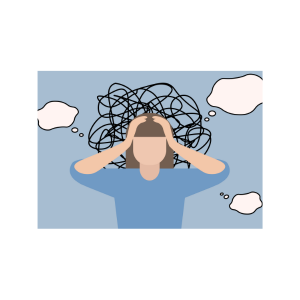
Reasons for Social Nervousness
Social nervousness is a multi-layered condition with a few possible causes, frequently cooperating in complex ways. These causes can be comprehensively sorted into hereditary, mental, ecological, and neurobiological factors
1.Family History: Social tension can run in families, proposing a hereditary inclination. Studies demonstrate that people with a family background of nervousness problems are at a higher gamble of creating social uneasiness.
- Psychological Factors:
- Early Life Experiences: Negative or awful encounters in adolescence, like harassing or serious analysis, can add to the advancement of social nervousness. Such encounters might shape a singular’s view of social collaborations as compromising.
- Character Traits: Certain character qualities, like elevated degrees of bashfulness or introspection, can build weakness to social uneasiness. People who are normally more saved might be more inclined to creating nervousness in friendly circumstances.
- Environmental Factors:
- Social Influences: Social standards and assumptions can assume a part in friendly nervousness. In societies that put a high worth on friendly exhibition and congruity, people might feel expanded strain and anxiety toward social disappointment.
- Family Dynamics: Overprotective or basic nurturing styles can add to the advancement of social nervousness. Youngsters who experience childhood in excessively controlling or negative conditions might battle with confidence and social certainty.
- Neurobiological Factors:
- Cerebrum Chemistry: Irregular characteristics in synapses, like serotonin and dopamine, can influence state of mind guideline and add to tension. Research recommends that people with social uneasiness might have modified mind action in regions connected with dread and social handling.
- Mind Structure: Contrasts in cerebrum structure, like elevated action in the amygdala (which cycles dread) and diminished action in the prefrontal cortex (which manages profound reactions), have been seen in individuals with social nervousness.
Treatment for Social Tension
Treating social uneasiness frequently requires a complex methodology that tends to both the mental and physiological parts of the condition. The best medicines commonly join treatment, drug, and self improvement procedures.
- Psychotherapy:
- Mental Conduct Treatment (CBT): CBT is viewed as the best quality level for treating social uneasiness. It helps people recognize and challenge pessimistic idea examples and ways of behaving. Openness treatment, a part of CBT, includes progressively confronting dreaded social circumstances to lessen uneasiness over the long haul.
- Acknowledgment and Responsibility Treatment (ACT): ACT centers around assisting people with tolerating their nervousness and resolve to values-based activities, instead of attempting to control or keep away from uneasiness.
- Interactive abilities Training: This type of treatment helps people create and rehearse interactive abilities, work on fearlessness, and improve their capacity to take part in friendly collaborations.
- Medication:
- Particular Serotonin Reuptake Inhibitors (SSRIs): SSRIs, like sertraline or escitalopram, are regularly endorsed for social tension. They work by expanding serotonin levels in the mind, which can assist with further developing temperament and lessen tension.
- Serotonin-Norepinephrine Reuptake Inhibitors (SNRIs): SNRIs, as venlafaxine, can likewise be successful in treating social nervousness by influencing synapses engaged with mind-set guideline.
- Benzodiazepines: These are at times endorsed for transient help of intense tension side effects, yet they are not normally prescribed for long haul use because of the gamble of reliance.
- Self-Help Strategies:
- Care and Unwinding Techniques: Practices like care contemplation, profound breathing activities, and moderate muscle unwinding can assist with overseeing tension side effects and advance a feeling of quiet.
- Slow Exposure: Step by step presenting oneself to dreaded social circumstances, beginning with less scary situations and dynamically stirring up to additional difficult ones, can assist with building certainty and decrease tension.
- Support Groups: Taking part in help gatherings can give a feeling of local area and understanding. Offering encounters to other people who have comparable battles can be approving and empowering.
- Lifestyle Changes:
- Solid Lifestyle: Normal activity, a fair eating routine, and adequate rest can work on generally speaking psychological wellness and assist with overseeing tension.
- Social Engagement: Taking part in friendly exercises, even in little portions, can assist individuals with step by step turning out to be more agreeable in group environments.
